Emotional Weather: Meaning, Examples & How to Cope with Your Feelings

Emotional Weather: What Does It Really Mean?
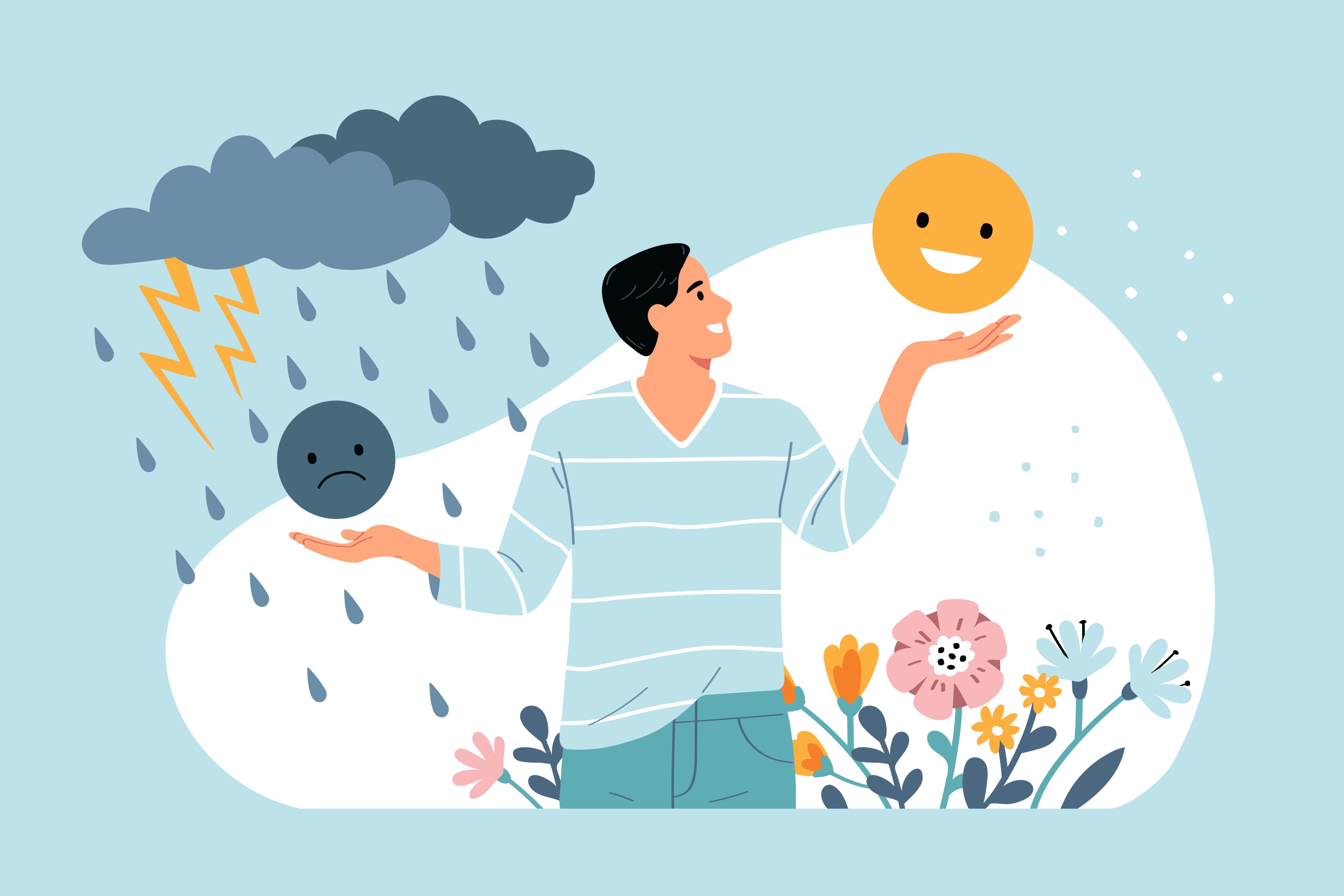
Some days feel light and easy. Others feel heavy, overwhelming, or unclear. The idea of emotional weather helps describe these shifts in mood by comparing your feelings to changing weather patterns.
Just like the weather, emotions can change throughout the day, can feel unpredictable, range from calm to intense and will always eventually pass.
You might notice:

Sunny = calm, content, hopeful

Cloudy = low mood, uncertainty
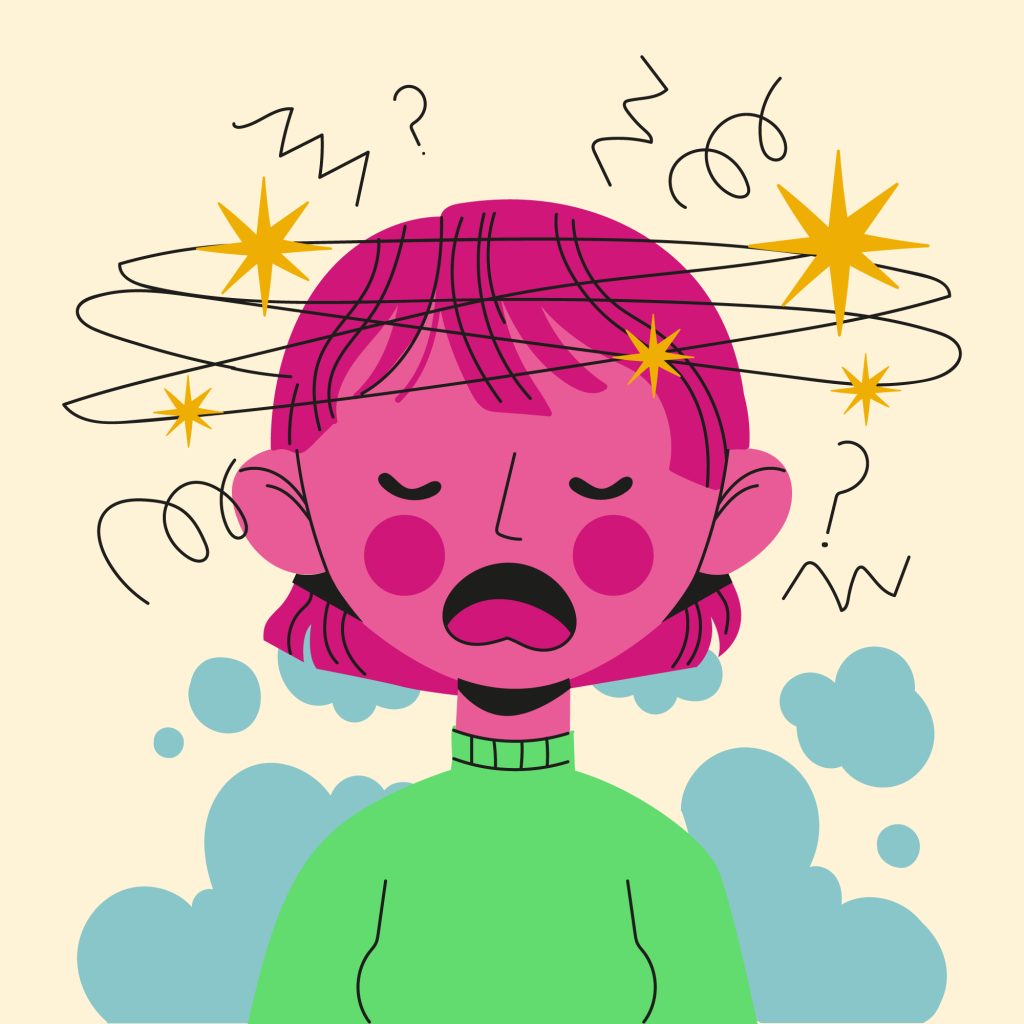
Foggy = confusion, lack of clarity

Stormy = overwhelm, anxiety, anger
The key idea is simple: you are not your emotions, you experience them.
When emotions feel overwhelming, it is easy to believe they will last forever. Emotional weather offers a different perspective that is helpful in several ways:
- It reminds you that feelings pass- Even the strongest emotional storm will eventually ease.
- It reduces self-judgement- You would not blame yourself for rain, so why blame yourself for feeling low?
- It creates emotional distance- Saying “I’m experiencing a storm” feels different from “I am overwhelmed.”
This small shift can make a big difference in how you cope. Instead of fighting your emotions, the goal is to respond to them in the right way.
1. Name your emotional weather
Pause and ask yourself: “What’s my emotional weather right now?”
This builds awareness and reduces intensity.
2. Match your response to the weather
Different emotional states need different responses.
Stormy (overwhelmed, anxious, angry):
- Slow down
- Focus on breathing
- Take a break from decisions
- Reach out for support
Cloudy (low, flat, unmotivated):
- Stick to small, simple tasks
- Keep a gentle routine
- Move your body lightly (e.g. walking)
Foggy (confused, stuck):
- Avoid big decisions
- Give yourself time
- Write things down to gain clarity
Sunny (calm, balanced):
- Plan ahead
- Tackle important tasks
- Connect with others
Ground yourself during emotional storms
When emotions feel intense, calming your body can help:
- Slow, steady breathing
- Noticing your surroundings (5 things you can see, hear, feel)
- Sitting with your feet firmly on the ground
These techniques help your nervous system settle. Accept, don’t fight, your feelings
Trying to “push away” emotions often makes them stronger.
Instead, try:
“This is how I feel right now, and that’s okay.”
Acceptance doesn’t mean liking the feeling—it means not adding extra pressure and struggle to it.
Look for patterns over time
Your emotional weather often follows patterns.
Ask yourself:
- When do my storms usually show up?
- What triggers cloudy or foggy days?
- What helps bring clearer skies?
Understanding your patterns gives you more control over how you respond and builds emotional resilience.
A Simple Daily Emotional Weather Check-In
Try this quick reflection:
“My emotional weather today is ______.
I think it might change to ______.
Right now, I need ______.”
This builds awareness and helps you respond with intention instead of reacting automatically.
When to Seek Extra Support
Sometimes emotional weather doesn’t pass as expected.
If you notice:
- Persistent low mood or anxiety
- Feeling overwhelmed most days
- Difficulty functioning in daily life
It may be time to seek professional support. You don’t have to manage ongoing storms alone.
Frequently Asked Questions (FAQ)
What is emotional weather in simple terms?
Emotional weather is a way of describing your feelings as if they were weather patterns. It helps you understand that emotions change and are temporary.
Why do emotions feel like they come and go?
Emotions are influenced by your brain, body, experiences, and environment. Like weather systems, they shift naturally over time rather than staying fixed.
How do I cope with overwhelming emotions?
Start by naming what you feel, slow your breathing, reduce pressure on yourself, and focus on small, manageable actions. Reaching out for support can also help.
Is it normal for emotions to change quickly?
Yes. Emotional shifts are completely normal. Some people experience changes more intensely or more frequently, especially during stress.
When should I worry about my emotional wellbeing?
If difficult feelings last for weeks, feel overwhelming most of the time, or affect your daily life, it’s important to seek help from a mental health professional.
Final Thought
You don’t need perfect emotional weather to move forward in life.
Storms, fog, and cloudy days are all part of being human. The goal is not to control every feeling but to understand it, respond to it, and take care of yourself through it.

If something in this post has resonated with you, you don’t have to figure it all out on your own.
Counselling offers a calm, confidential space to explore what you are feeling, at your own pace.
There is no pressure to have the right words, just somewhere to begin. If you feel ready, you
are welcome to reach out for an initial conversation.
Book a free initial call
Take the first step towards feeling more steady and supported.